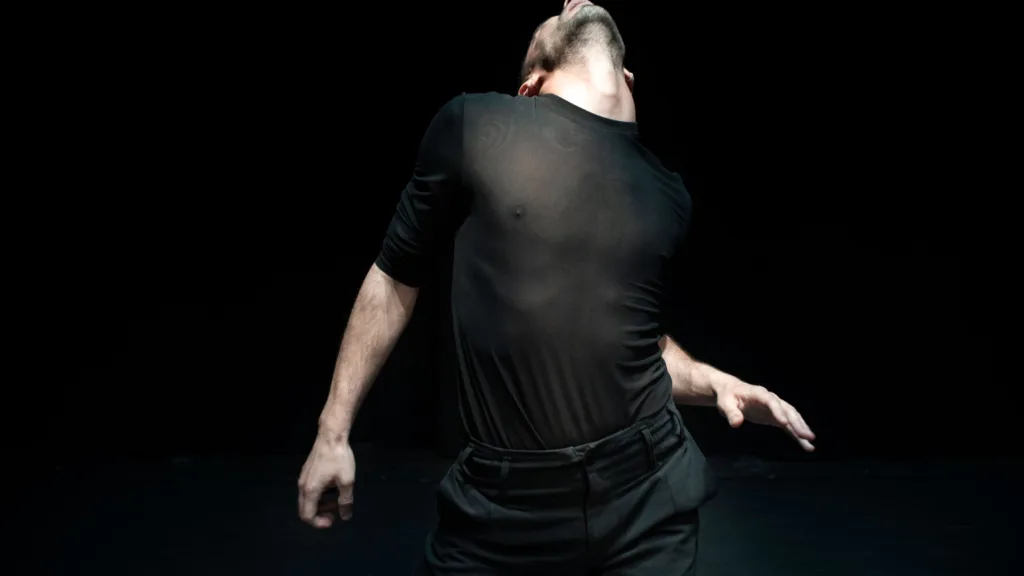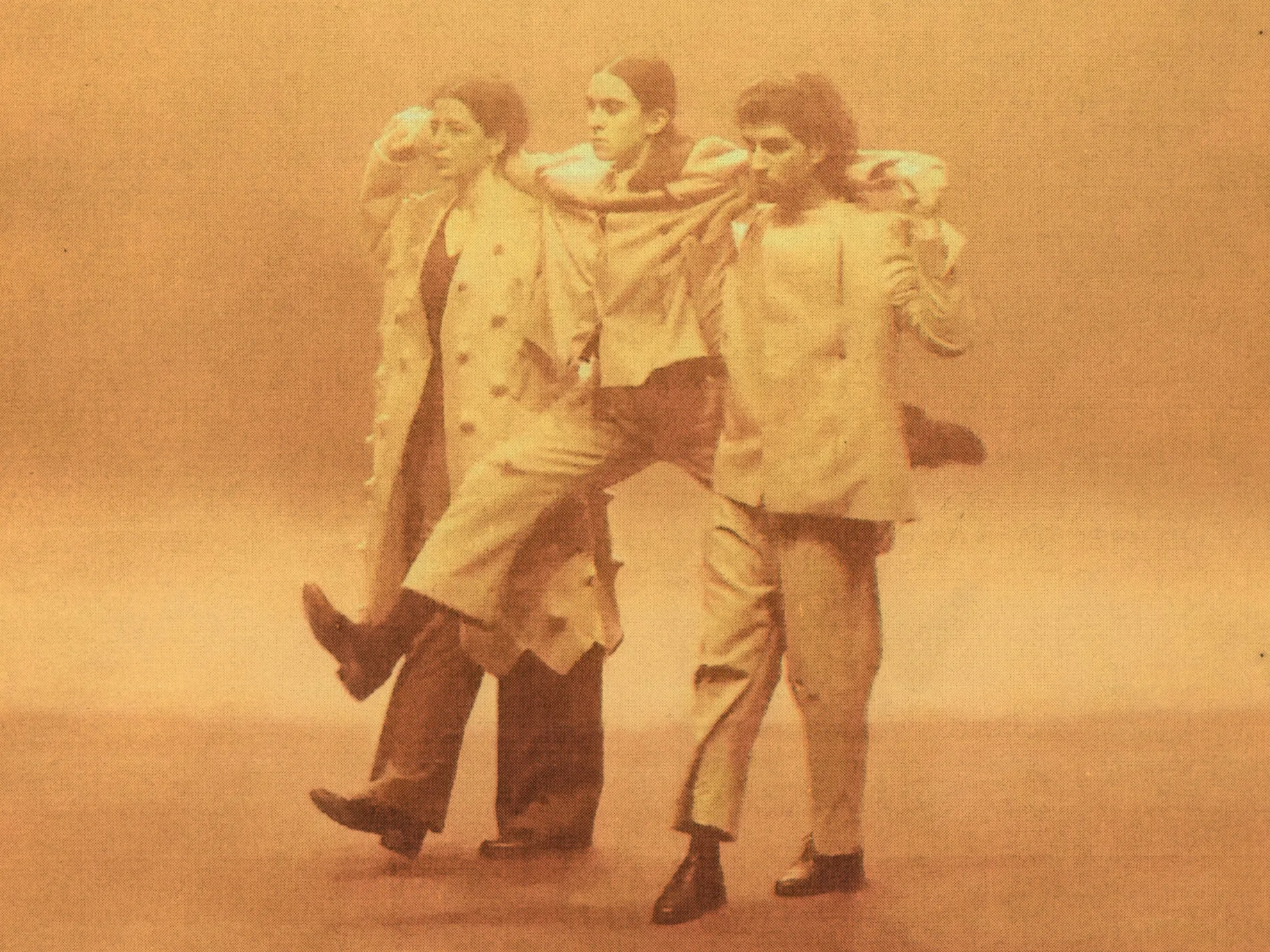
A Greek artist of rare finesse and originality, Christos Papadopoulos brings bak Landless to the stage, performed by Georgios Kotsifakis. Over the years, the choreographer’s work has approached movement as a hidden secret, focusing on its elementary and everyday characteristics. Landless specifically explores the body’s ability to become its own architecture, transforming into an unfamiliar landscape, in order to sketch a new perspective on its basic functions and movement.
Among the immortal, each act (and each thought) is an echo of those who anticipated it in the past or the faithful omen of those who, in the future, will repeat it to the point of vertigo. – Jorge Luis Borges
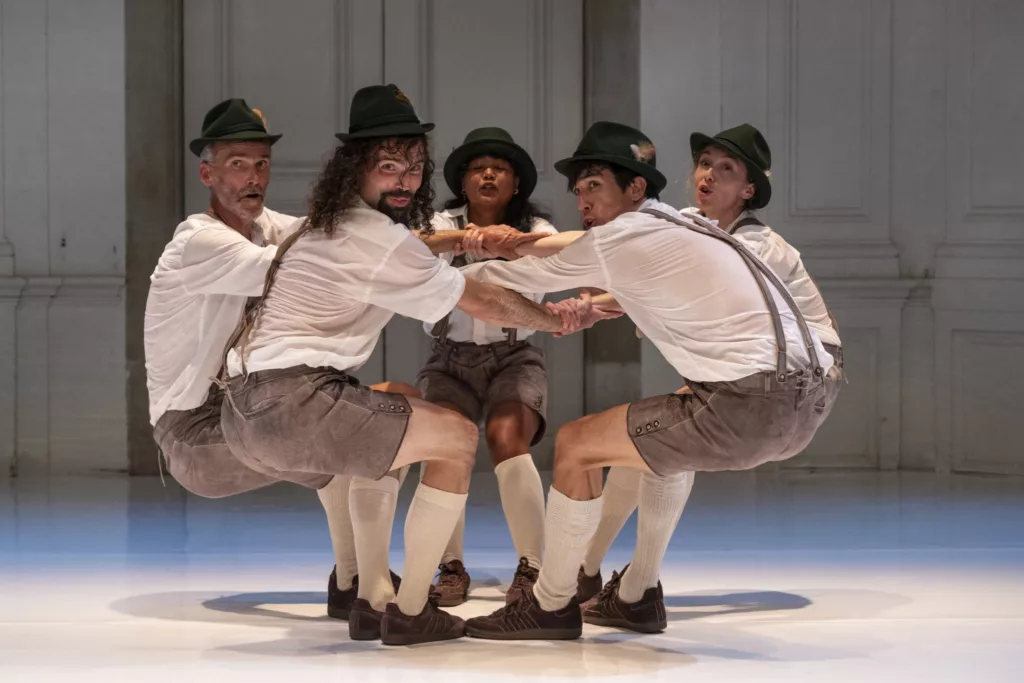
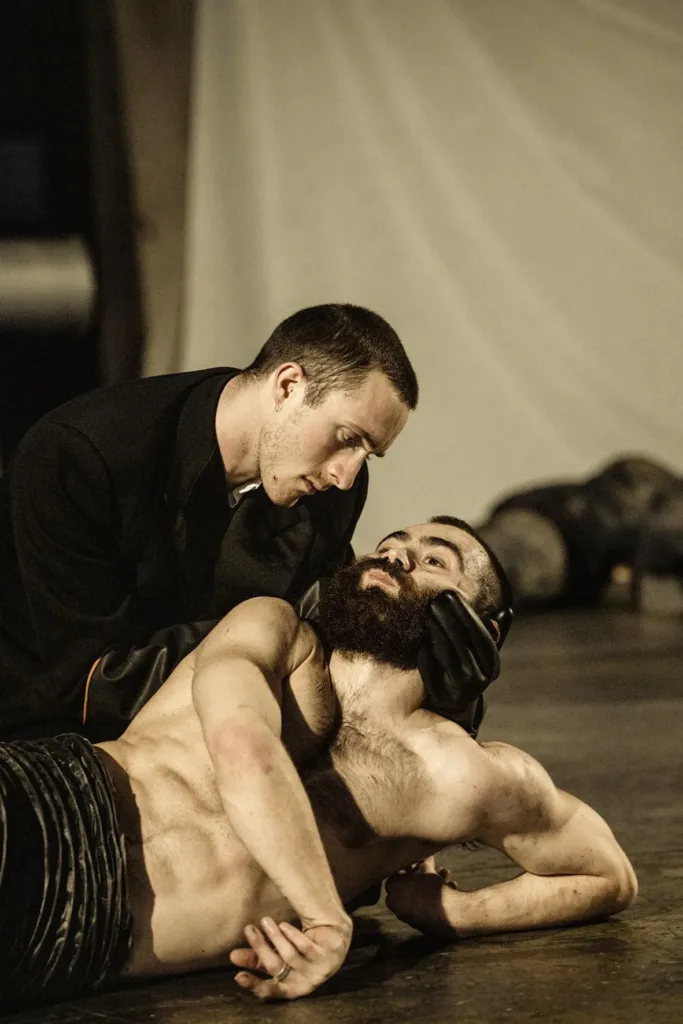
Five figures are trapped in a temporal maze, mutating and colliding in an attempt to defy immortality. Their existence takes place in a vast sulfuric landscape, unfolding in a series of chronicles. Is this landscape the ground for new creations, or made out of remnants of what once existed?
Confronted with different laws and physical phenomena, their bodies reveal other behaviors and possibilities of being, without knowing if they are at the twilight or dawn of their existence. We are witnessing a bodily metamorphosis in an abyssal and poetic dimension.
Chroniques unveils the next chapter in Peeping Tom’s universe.
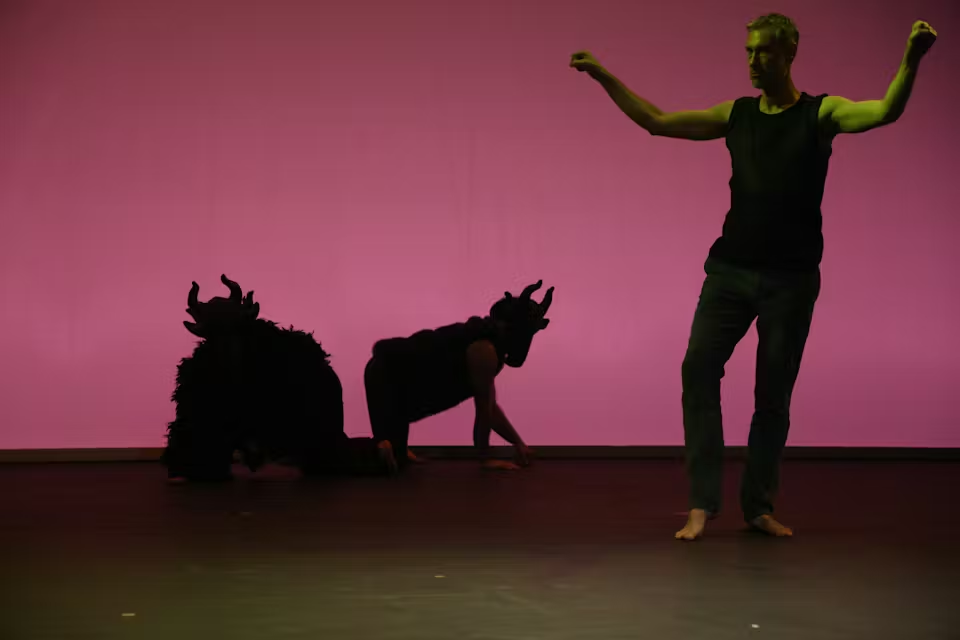
In Sahara, Claudia Castellucci’s choreographic and philosophical research grapples with the dimension of the desert, where the extreme lack of materials and relationships pushes dance to consider only what one has: oneself, as the only—first and last—instrument. The empty desert forces a radical visual relationship with one’s shadow, which, perpetually projected, cannot be ignored. Barely tolerated, it forces one to seek the company of the only things that can be found in total solitude: the products of the mind. These are the subjects of the dance, which asserts its very essence in Sahara.
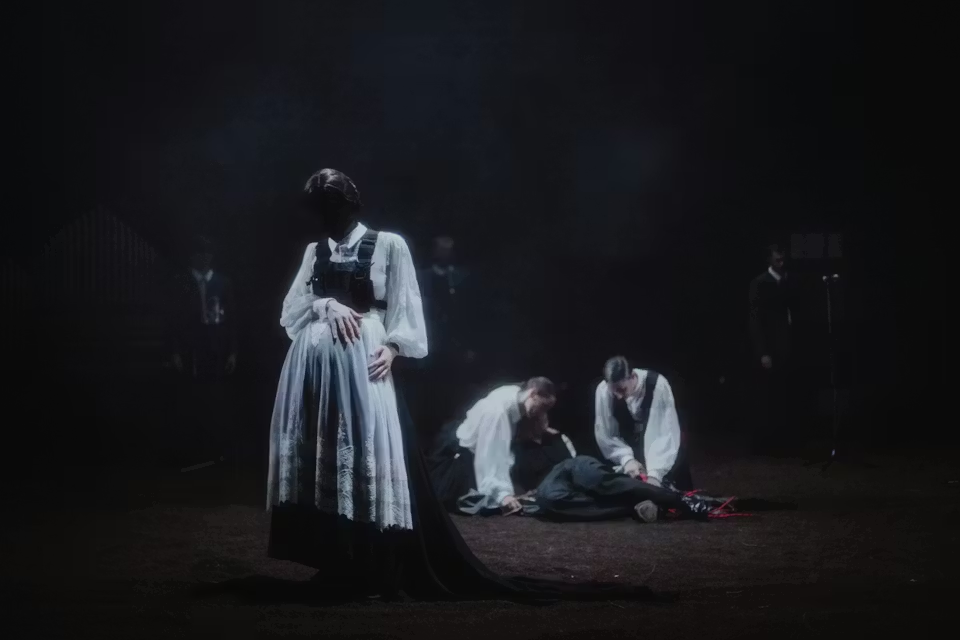
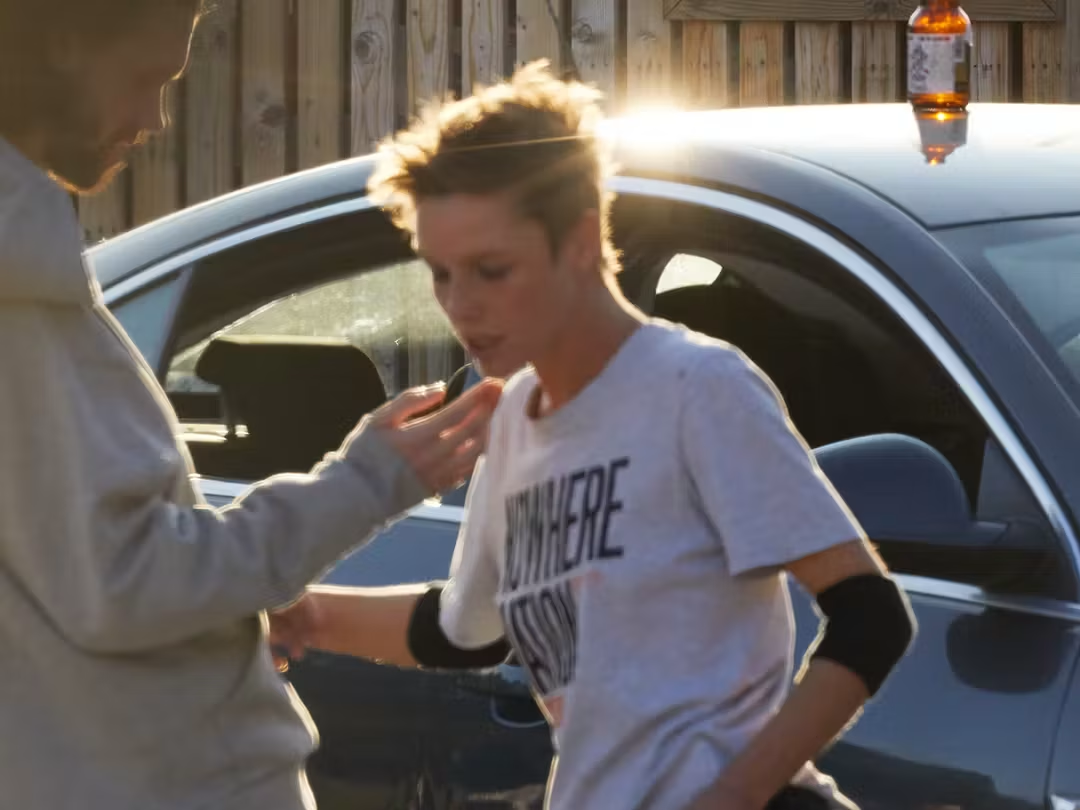
Crowd, one of the most explosive shows by Gisèle Vienne, is the representation of a ritual: that of the party, a collective practice pertaining to all eras and societies. In the hallucinatory simultaneity of the lights, shadows, sounds and moving bodies of a rave party, the artist outlines a series of fascinating and deeply human portraits, focusing on the emotional experience—rather than the actual experience—of time. Gisèle Vienne returns to FOG with Etude 6, a performance that acts as a sort of negative of Crowd, sharing the experience of two characters marked by a lack and a vital need for the crowd. All of Gisèle Vienne’s works are political, not only through their artistic and philosophical stakes but also through formal research, questioning culturally constructed perceptions and the possible shifts in those perceptions. This work offers a direct and visceral response to immediate and profound pain—the kind of pain experienced by bodies constrained and restricted by political systems of domination, in which something that deeply concerns us emerges.
December 17th – 20th, 2024 Théâtre Silvia Monfort, Paris February 7th – 8th, 2025 Liège Festival, Liège February 9th, 2025 Salle Stotzem, Dison March 5th, 2025 Gugliemi Theater, Massa March 7th, 2025 Teatro Manzoni, Manzoni April 1st – 6th, 2025 Franco Parenti Theatre, Milan April 16th, 2025 Teatrodante Carlo Monni, Campi Bisenzio April 23rd – 24th, 2025 Nest Théâtre, Thionville May 15th – 24th, 2025 Théâtre National Populaire, Villeurbanne 60 minutes
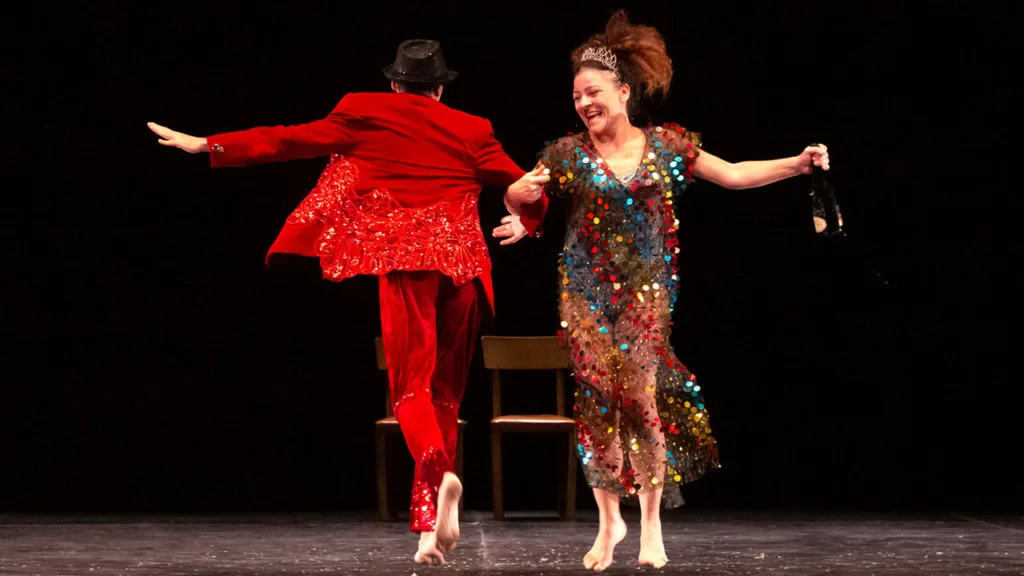
An old lady rummages through a trunk. She takes out a bottle of pills, a wedding veil, a remote control, lots of colored balloons… From another trunk comes the music of a music box. An old man appears. He is wearing an old, worn-out formal suit. The man looks at the woman and smiles. He immediately reaches her. He hugs her. The woman rests her head on his shoulder. He caresses her. She holds him tight so as not to lose her balance. He supports her. They dance. He takes a pocket watch out of his pocket: minus five… minus four… minus three… minus two… minus one… and at the stroke of midnight he sets off a firecracker. They kiss. He throws a handful of confetti into the air. The party begins. Happy New Year, my love! He and she are now sixteen. In bathing suits they promise each other eternal love. To the tune of old songs they celebrate the arrival of the new year by dancing their love story backwards.
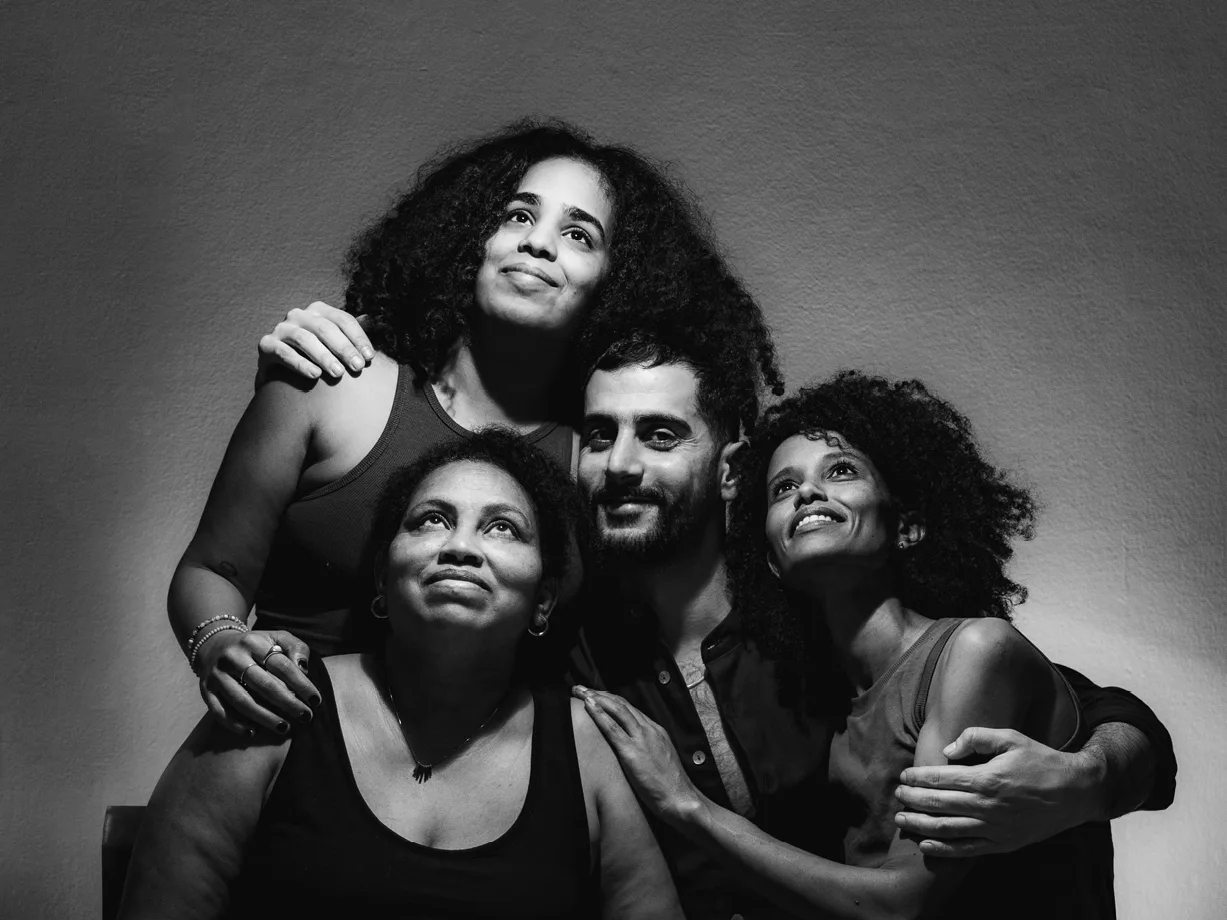
Il tango delle capinere is the deepening of a study, Ballarini, which belonged to la trilogia degli occhiali. It is the composition of a mosaic of memories that makes bearable the loneliness of those who unfortunately outlive the other.
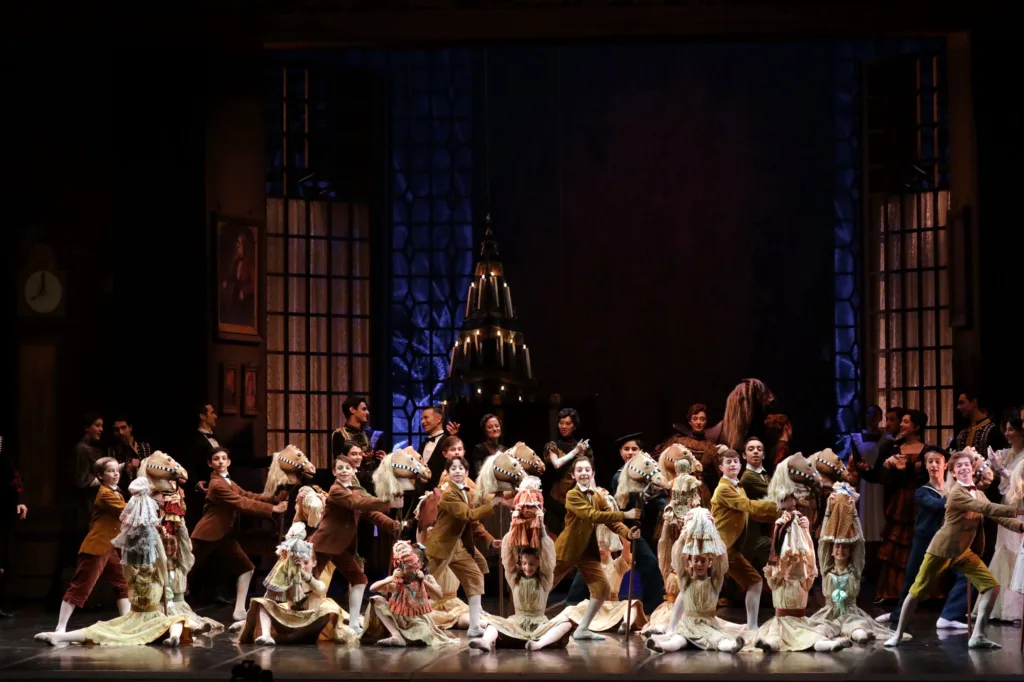
The new Season opens with the reprise of a much loved Christmas classic that has enchanted La Scala since 1969: The Nutcracker, with Rudolf Nureyev’s choreography and the historic staging of Nicholas Georgiadis. From the children’s dances to the family’s Christmas celebrations, from the battle of the mice and toy soldiers to the brilliance of the snowflakes, the music and dance combine beautifully in the choreographic designs of the famous waltzes and pas de deux, rich of technique, rigour, lines and balance, which reveal the dramaturgical approach that Nureyev wanted to give at this ballet: between shadows and light, the journey of an adolescent girl, Clara’s dream.
Born in 1995, Pierre Piton belongs to a generation that, according to him, is that of an in-between, that of a dystopian utopia. Between anger and fear, the beings of this generation navigate in an impossible future. With Open/Closed, Pierre Piton tries to externalize this duality in order to give the disorder a new strength.
Open/Closed guides the viewer through an intimate research exposing the body ‘inside-out and outside-in’. Imbued with organic sounds, this intimate and conceptual choreographic exploration plays on the ambiguity between intensity and vulnerability of a personal revolution that is as fragile as it is powerful. The boundaries of the self vanish in favor of an experience where the body coincides with that of the other, and is defined in a continuum linking past and future bodies.